
If you have ever heard the word blockchain and felt confused, you are not alone. Many people think it sounds technical, abstract, or only meant for programmers. In reality, the basic idea is simple. A blockchain is just a new way to keep records and agree on what is true, without relying on one central owner.
This article explains blockchain in plain language. Let’s see
What Is A Blockchain?

Imagine a notebook that records transactions. Each page shows who sent something, who received it, and when it happened. Now imagine that instead of one person holding that notebook, thousands of people each have the same copy. That is the core idea of a blockchain.
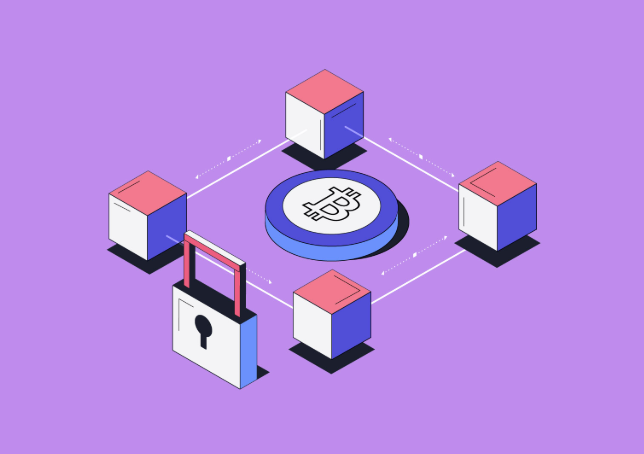
A blockchain is a shared digital record book. Every time something happens, a new entry is added. This entry is grouped with others into a “block.” Each block is linked to the one before it, forming a chain. That is where the name comes from.
Because many people hold the same record, no single person controls it. If someone tries to change one copy, it will not match the others. The system then simply ignores the fake version. This makes the record very hard to cheat.
In normal systems, like banks or company databases, one group owns the records. You must trust them to be honest and careful. With a blockchain, trust is spread across the entire network instead.
How Does A Blockchain Stay Honest?
You might wonder how thousands of people agree on what goes into the record. Here’s how it works:
Before a new block is added, the network checks it. The rules are public. Everyone knows what is allowed and what is not. If the data breaks the rules, it is rejected.
Once a block is added, it is locked in place. Changing it would require changing every block after it, on most copies of the record, at the same time. That is nearly impossible. This is why people say blockchains are “immutable.” That word simply means the past is very hard to change.
Because of this design, blockchains are useful for tracking things that should not be altered later. Money transfers, ownership records, and digital items are common examples. No one needs to call a central office to approve each step. The system checks itself.
Why Blockchains Matter Beyond Crypto
Many people think blockchains only exist for cryptocurrencies like Bitcoin. Truly, crypto was the first big use case of blockchains, but the idea goes further.
A blockchain can be used anywhere people need a shared source of truth.
For example:
- Tracking payments without a bank
- Recording ownership without a middleman
- Sharing data across companies without one owner
The key benefit is confidence. Everyone can see the same information. No one has special editing rights. This reduces disputes and removes extra layers of trust.
That does not mean blockchains replace everything. They are sometimes slower than normal databases and are not always needed. But when trust, transparency, and shared control matter, they offer something new.
In simple terms, a blockchain is not magic. It is a record book that many people share, check, and protect together. Once you see it that way, the idea becomes much easier to understand.